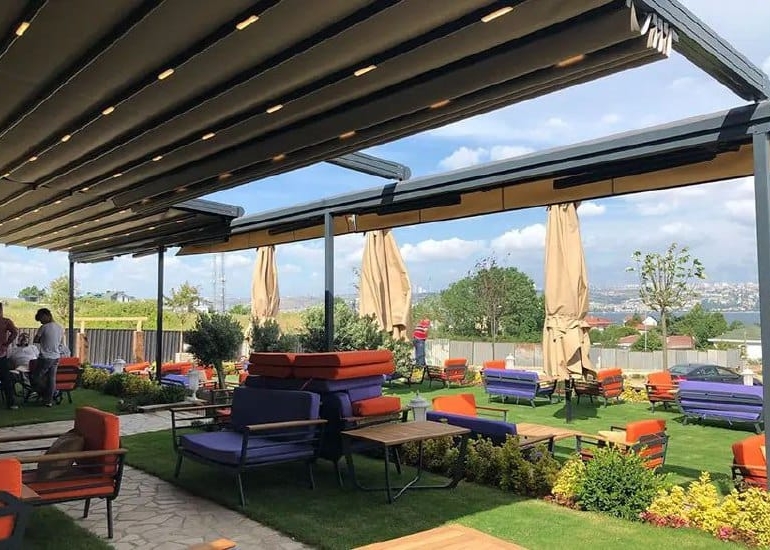
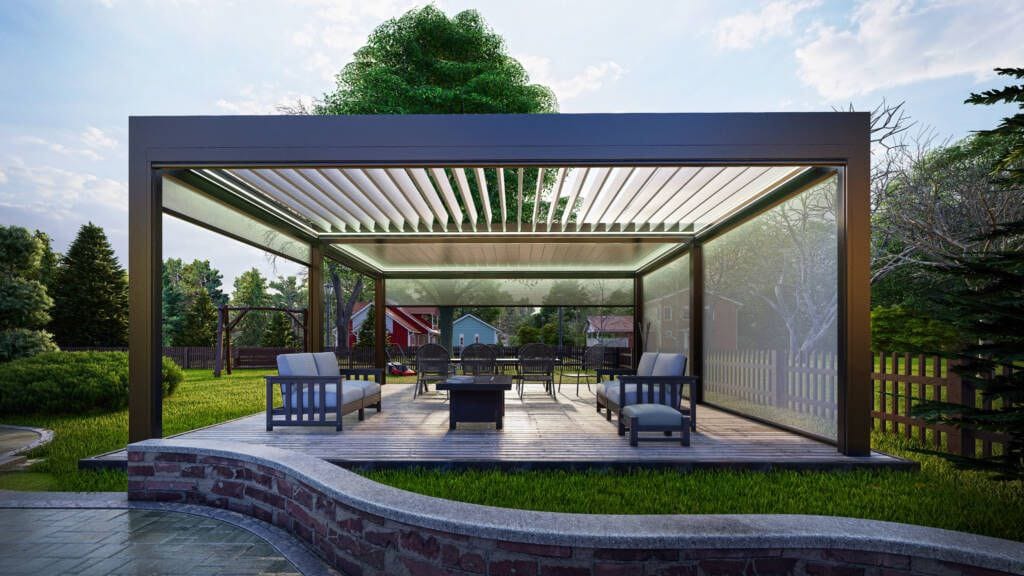
Imagine enjoying your garden or terrace with greater control over the shade around you. Retractable awnings help make outdoor areas more flexible, allowing you to open or retract the covering as your needs and the permitted weather conditions change. This guide explains the main options, materials, benefits and installation considerations so you can make a more informed choice.
What are retractable awnings?
Retractable awnings are shading systems with a covering that opens or folds away to adjust shade and the amount of exposed outdoor space. They may be operated manually or by an electric motor, depending on the system. They are used in gardens, balconies, cafés and restaurants. Rain and wind performance depends on the covering, frame, installation and approved operating limits.
Types of retractable awnings available
The terms used to describe an awning may refer to its operation, position or folding mechanism. A single system can therefore be both motorized and retractable.
- Manual awnings: operated by a crank or another manual mechanism; suitability depends on dimensions and ease of access.
- Motorized awnings: use an electric motor and compatible controls to make frequent operation easier.
- Side screens: help shade exposed sides and can provide additional privacy, subject to the selected product’s specifications.
- Vertical screens: fitted vertically to shade windows or open sides.
- Folding systems: retract the covering when it is not required, leaving more of the outdoor area open.
Materials used in retractable awnings
Appearance is only one part of the decision. The covering and frame must also suit the chosen mechanism, site conditions and intended use.
- Acrylic fabric: an option for outdoor shading, with sun and fade resistance depending on the fabric specification. Do not assume that every acrylic fabric is waterproof.
- Treated polyester: a lightweight covering that may receive coatings for water and UV resistance. Check the declared performance and cleaning instructions.
- Aluminum frames: commonly used for their relatively low weight and corrosion resistance; performance also depends on the section design, finish and fixings.
- Stainless steel: may be used in selected frames or components. The metal alone does not determine the system’s wind resistance.
- PVC coverings and outdoor fabrics: vary in construction, light transmission and water resistance. Rigid polycarbonate panels are not a direct substitute for folding fabric; the covering must be compatible with the system.
Seven benefits of retractable awnings
- Control over shade and light: adjust the covered area rather than keeping it permanently shaded.
- Outdoor comfort: reduce direct sun exposure. Rain protection is available only where the system is specified and installed for it.
- A coordinated appearance: choose a frame and covering that complement the surrounding design.
- Convenient operation: select a manual or motorized mechanism suited to daily use.
- A more defined seating area: organize outdoor furniture beneath the covering; side screens may add privacy where suitable.
- Potential support for indoor shading: shading nearby glazing can reduce direct solar exposure, although energy savings depend on the building and installation.
- Multiple applications: use an appropriate system for gardens, balconies, cafés, restaurants or other outdoor areas.
Manual versus motorized awnings
The main distinction is how the covering is moved. Compare the complete product rather than assuming that electric operation makes a system stronger.
| Feature | Manual awnings | Motorized awnings |
|---|---|---|
| Operation | Crank or another manual mechanism | Motor with compatible controls |
| Convenience | Requires manual effort and access | Convenient for frequent adjustments |
| Controls | Manual opening and retraction | Remote or other compatible controls |
| Maintenance | Cleaning and inspection; specialist help for faults | Cleaning and inspection, including motor and electrical checks |
| Strength | Depends on materials, design, installation and care | Depends on materials, design, installation and care |
| Larger areas | Check the approved dimensions and operating effort | May be more convenient within the system’s approved dimensions |
| Weather adjustments | Requires manual intervention | Adjusted through compatible controls; sensors only where supported |
Are retractable awnings suitable for commercial projects?
They can help cafés, restaurants and hotels make better use of outdoor areas when the selected system suits the site and operating requirements.
- Usable outdoor seating: create shaded space during suitable weather conditions.
- Flexible coverage: open or retract the covering according to use and product instructions.
- A coordinated frontage: match the design to the property and outdoor furniture.
- Sun protection: reduce direct sunlight; assess rain protection separately against the system specifications.
- Project flexibility: compare the installation requirements with other covering options before making a decision.
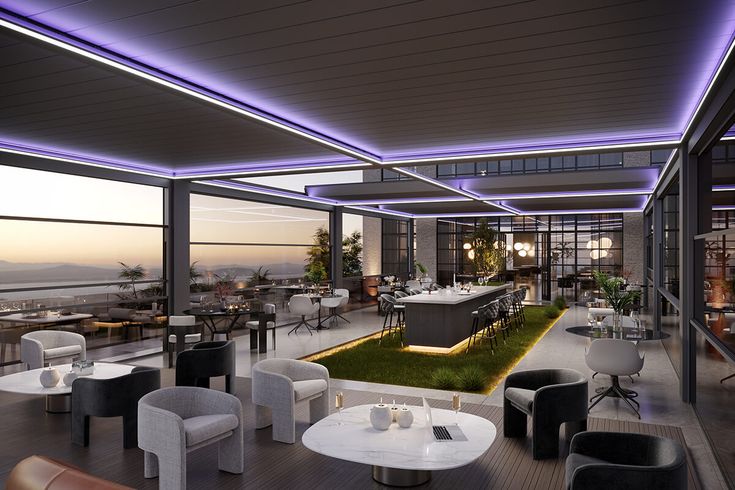
Installing retractable awnings safely
Secure installation begins with assessing the supporting structure, attachment points and expected loads. A suitable base cannot be selected from the frame material alone.
- Choose the location carefully: consider sun direction, access, doors and exposure to wind.
- Assess the support: a specialist should confirm that walls or structural supports can carry the selected system.
- Specify compatible fixings: use fixings appropriate for the substrate, loads and outdoor exposure.
- Confirm dimensions: allow for movement of the covering and clear access routes.
- Protect waterproofing: detail any roof penetrations and drainage carefully.
- Arrange inspections: check the frame, fixings and operation as directed by the supplier.
Discuss the site requirements with Art New before selecting a system. A compatible design and installation method are essential to the final result.
Decorative ideas for retractable awnings
An awning can become part of the outdoor design as well as providing shade. Consider these ideas:
- Coordinated colors: choose a covering and frame that work with the property and furniture.
- Planting: combine shading with suitable plants while keeping tracks and drainage clear.
- Integrated lighting: consider compatible LED options where available for the chosen system.
- A distinctive frame: select a design that suits the architecture and structural requirements.
- Defined areas: distinguish a lounge or dining space from the rest of the terrace.
- Matching furniture: coordinate materials, colors and proportions.
- Fabric patterns: explore plain, striped or other finishes where offered for the compatible covering.
Potential risks and how to reduce them
Strong winds
Wind can damage the covering, frame or fixings. Follow the manufacturer’s operating limits. Compatible wind sensors may help where supported, but do not replace correct design or operating instructions.
Water or snow accumulation
Accumulation can overload a covering. Keep drainage clear and respect the declared load limits. Do not move a system loaded with snow or pooled water; stop using it and seek specialist help if pooling or sagging occurs.
Incorrect operation
Use the mechanism only as instructed. Keep people and objects clear of moving components. Stop if the covering jams or movement becomes irregular.
Sudden or forced movement
Do not force a manual mechanism or repeatedly activate a motor against an obstruction. Arrange inspection if unusual movement or noise develops.
Missed maintenance
Dust and debris can affect tracks and drainage. Clean and inspect the system according to its maintenance instructions and have damaged components assessed.
Electrical faults
A qualified technician should check electrical connections and motors. Do not attempt electrical repairs yourself.
Harsh weather exposure
Choose coverings specified for the intended outdoor use and follow storage, retraction and weather instructions. No material should be assumed to withstand every condition.
Frequently asked questions about retractable awnings
Can retractable awnings be installed on sloping roofs?
Installation may be possible if the supporting structure and fixing points suit the selected system. A specialist should assess the site, determine the attachment method, roof slope and drainage, and preserve the existing waterproofing.
Do retractable awnings need regular maintenance?
Yes. Clean the covering and keep movement tracks and drainage routes clear, following the manufacturer’s instructions. Inspect connections and moving components as directed. A qualified technician should check motors and electrical connections; do not force an awning that has developed a fault.
Can retractable awnings be used in winter or rain?
Suitability depends on the complete system, not the fabric alone. Check water resistance, roof slope, drainage and permitted operating conditions. Do not assume the system can carry snow loads or withstand strong winds unless its specifications explicitly allow this.
What determines the lifespan of a retractable awning?
Lifespan depends on the frame, covering and motor quality, installation, exposure to sun and wind, use and maintenance. No single lifespan applies to every system. Review the product specifications, warranty terms and maintenance requirements before choosing.
Can damaged awning fabric be replaced?
The covering can be replaced on systems designed for this, after checking the frame and moving mechanism. The replacement must match the approved dimensions, fixing method and covering weight, and should be fitted by a specialist.
What is the difference between manual and motorized retractable awnings?
A manual awning uses a crank or another manual mechanism; a motorized awning uses a motor and compatible controls. Choose according to dimensions, frequency of use and accessibility. Electric operation alone does not mean greater strength or wind resistance.
How do I choose a retractable awning for a garden or terrace?
Define the area to shade, sun direction and intended use. Then compare the covering, structure, operation, drainage and wind limits. Photographs and approximate measurements help start the discussion; a site assessment confirms the installation and design requirements.
To conclude, retractable awnings bring flexibility to outdoor spaces by giving you more control over coverage. The most suitable option combines a compatible covering, frame and operating system with a careful assessment of the site. Explore the outdoor shading solutions from Art New to discuss a design suited to your space.
Contact Art New for your free consultation via Art New WhatsApp. You can also visit our office; view our location on Google Maps.